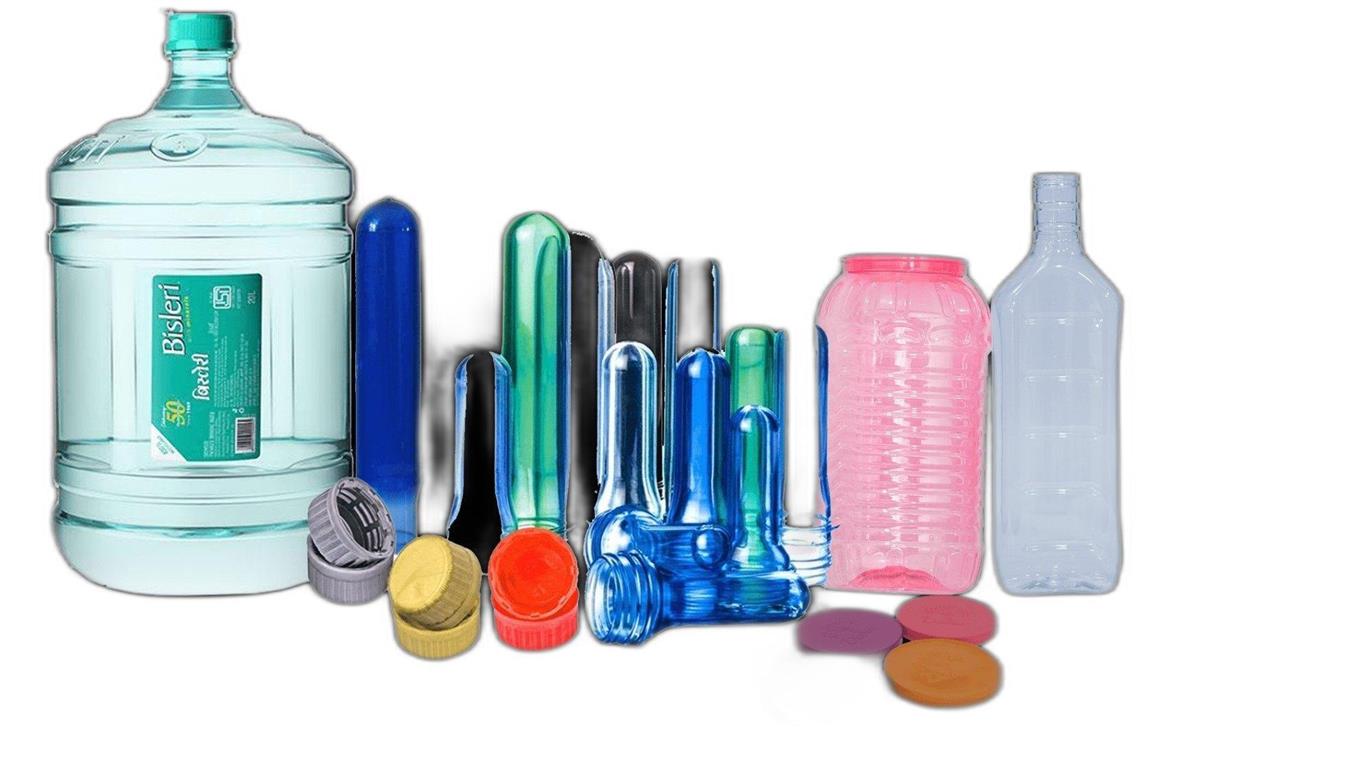
Some molded thermoplastic goods such as plastic bottle preforms or single use water bottle commonly referred to as preforms, aren't constructed on one type of plastic substance. Yet, rather upon a complex substance containing fiber additions that increase the product's durability and longevity.
The process of shaping sliced fiber threads, generally composed of glass to mats which will serve as the reinforcements over a plastic molding method is known as plastic preform manufacturing. While standard mats, because of their flat structure, may wrinkle or give uneven glass distribution, preforms remain dependable when producing intricate shapes and three-dimensional patterns.
The majority of preforms are made of glass fibers since they are useful for deeper moldings or goods with sophisticated design features. The addition of directional qualities to continuous fiber designs increases the material utility of fiberglass reinforcement. There are several ways for producing plastic bottle preforms. The directed fiber method, the plenum chamber progress, as well as the utilization of a water-based slurry system are three of the most popular procedures.
The directed fiber technique involves blowing fiberglass strands over a preform screen to create fibers. Glass stock is directed into a blower, which cuts it into minute fibers. These fibers are then blasted via a flexible hose to a perforated screen.
The plenum chamber system cuts glass stock into predetermined lengths before dropping the material into a chamber using a chopper. A plastic binding agent-sprayed preform screen directs the glass's descent, with the screen spinning or tilting providing uniform distribution.
The water slurry method includes introducing chopped fibers of glass into a container, agitating them using a fan, then suspending the preform screen. As the screen goes upward, it catches additional fibers, resulting in intricate, long-lasting preforms made of cellulose fibers and bonding resins.
In manufacturing, the set up for a preform screen seems critical, with circular screens being less costly and easier to build than rectangular versions. While square screens may suffer with airflow patterns, a consistent linear pace assures homogeneous fiber glass flow. The perforation patterns in the screen also have an influence on the procedure; standard screens have holes that are one-eighth of one inch in diameter having a three-sixteenths inch middle.
Some applications, however, need more open space, necessitating a different hole pattern or outside shape. A big screen may result in preform wrinkling as well as fiber overlap, whilst a tiny screen may induce a rip or fracture during molding the plastic bottle preforms.