Knowing how are plastic bottles made is a must. Plastic bottles are now ubiquitous, and every home must have them. However, have you ever imagined plastic bottles only made of plastic seeds? Then how does a seed become an attractive packaging?
You must consume mineral water every day and use a bottle. But have you ever questioned how to produce plastic bottles?
How are plastic bottles made? Plastic bottle makers most often use the blow molding technique. Blow molding is a process of inflating thermoplastic materials into a hollow shape. Its manufacture must follow the direction of parison flow in hot conditions in a closed mold.
The main stages of the plastic bottle manufacturing process can be briefly described as follows:
The thermoplastic material is heated until the melting state is reached.
The melt is extruded using a die head to form a hollow tube called parison.
The parison is then dropped between the two circular molded sections, inflating the impeller fluid.
The melting of the thermoplastic will then harden because it goes through the cooling process provided by the mold.
The manufacturing process of plastic bottles uses blow molding. Each plastic bottle product requires applying a different kind of blow molding. There are four blow molding processes for making plastic bottles:
1. Blow Molding Extraction Method
In this method, parison making and blowing are done in one machine. After extrusion into the mold, the parison will be directly blown to expand without being cooled in one step. This process has a higher speed than the blow molding method.
However, this method can only be done if all the products produced are immediately transferred and used because it will take up more space to store the final product.
Usually, this type of production is followed by a filling process in one product line at companies with regular and large production capacities.
2. Injection Blow Molding Method
This how are plastic bottles made method is similar to injection, but in this method, there is an additional step to develop the parison using air. In addition, another technique of injection blow molding is stretching blow mold. Process stages:
Plastic in a melting condition is injected and then inserted into the cavity in the form of going.
The plastic transferred into the blowing mold.
Air is blown until the plastic expands and sticks to the shape of the mold.
Mold opening for product dispensing.
3. Stretch Blow Molding Method
This how are plastic bottles made by forming plastic by considering the thickness of the plastic feeder. This process is very well for plastic with the type of PET. It consists of injection, stretcher, and blow components. Process stages:
Plastic in melting condition is injected and then inserted into the cavity in the form of going.
The plastic is stretched (stretched) according to the required dimensions.
Air is blown so that the plastic expands and sticks to the shape of the mold.
Mold opening for product dispensing.
4. Reheat Blow Molding Method
Reheat blow molding is a blow stretch process, a by-ban injection performed outside the vendor. Many companies that produce these stocks perform commercially. Manufacturers buy preforms and put them in machines that can reprocess them so they can explode.
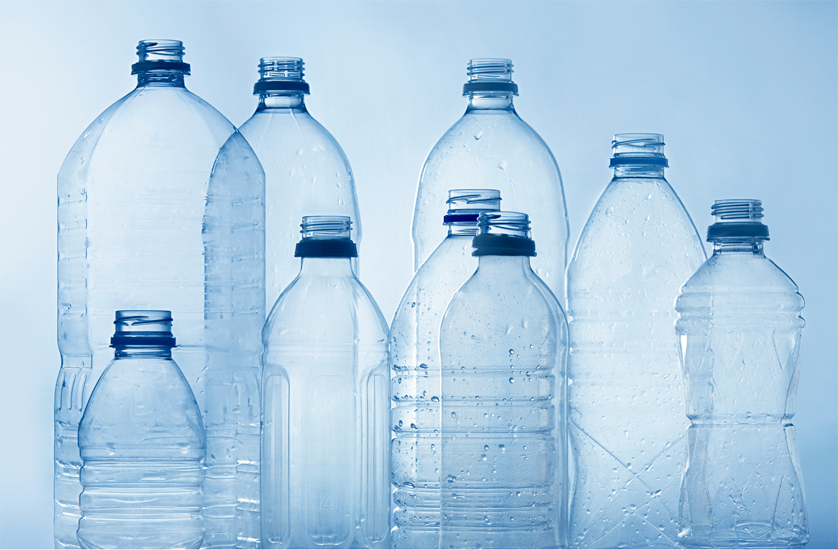
Plastic bottle makers typically use six popular types of plastic. Here are five types of plastic that have different materials for plastic bottle made:
1. PETE or PET (polyethylene terephthalate)
This type of plastic is for mineral water bottles, juice bottles, cooking oil bottles, medicine bottles, and cosmetic bottles. This type of plastic is only for single use because it can cause cancer.
2. PVC (polyvinyl chloride)
This type of plastic is suitable for toys, hoses, building pipes, plastic tablecloths, soy sauce bottles, chili bottles, and shampoo bottles. Unfortunately, PCV-type plastics are the most challenging to recycle. PVC is also harmful to the kidneys, liver, and body weight.
3. HDPE (high-density polyethylene)
The properties of this type of plastic material are more complex, intense, opaque, and resistant to high temperatures. This material is suitable for cosmetics, medicines, beverages, milk, Tupperware, and gallons. However, PDP is for single use only, and long-term use can cause cancer.
4. PP (polypropylene)
This material is the best choice for plastic bottles. It has transparent, cloudy, and elastic properties. The function of this plastic bottle is for food and beverages, bottle caps, plastic cups, children's toys, and drinking bottles for babies and adults.
5. PS (polystyrene)
This type of plastic is for four disposable drinks, a spoon, and a fork. Unfortunately, it is not easy to recycle this material. Polystyrene can leak styrene material into food when food comes into contact. In addition, styrene material is harmful to the brain and nervous system.
After discussing the process of how are plastic bottles made, it is time to discuss seals. The purpose of sealing is to maintain the authenticity of the product on the packaging.
The seal on the packaging has a variety of models. The seal is one of the safeguards on the packaging that can show the authenticity of the product.
The existence of a seal can make consumers more interested because the authenticity of the product is guaranteed. In addition, the appearance of the bottle becomes neat and attractive.
In today's sealing, the bottle maker uses a dryer to fit the bottle. The purpose of this design is for the seal to conform to the shape of the bottle.
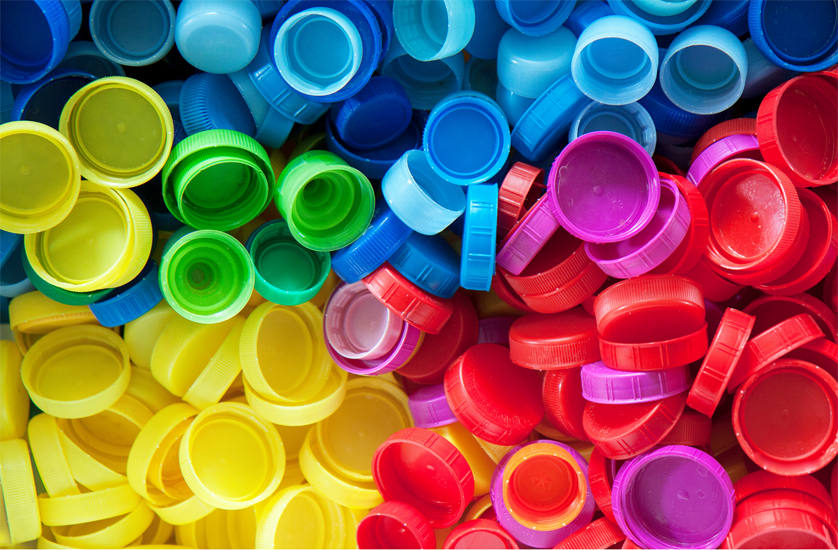
Thus the article is about the process of making plastic bottles. Are you not confused anymore about the process of how are plastic bottles made? If you can't recycle your plastic waste, take it to a recycling bin. There is a tool to crush plastic into small pieces.
The process of making plastic bottles is not arbitrary. You can choose plastic bottles according to the material you want.
Castalia Internasional Plastic Products Distributor founded and started a plastic shop business for households. Now our household plastic business continues to develop into a more serious and larger international scale.
We produce plastic household appliances, plastic bottles and cups, medical masks and plastic roofing. Find us at https://castalia-international.sg/ and don't hesitate to join as our customer.